


















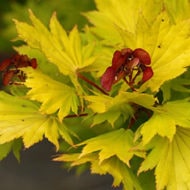
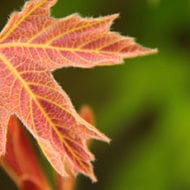
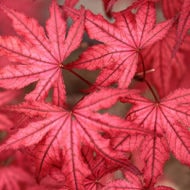
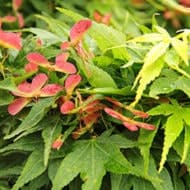
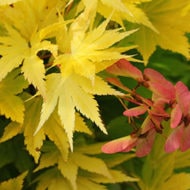
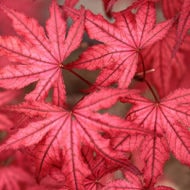
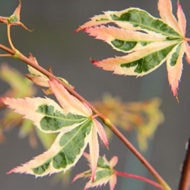
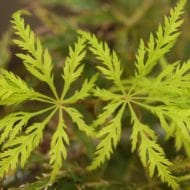
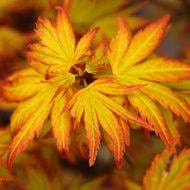
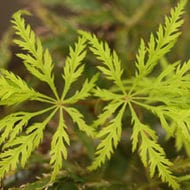
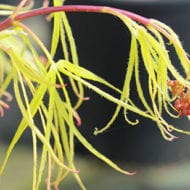
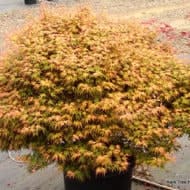

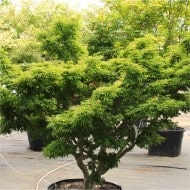
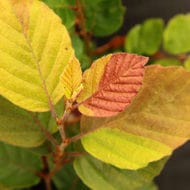
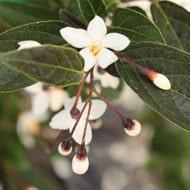
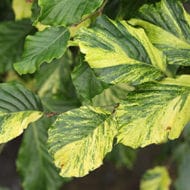
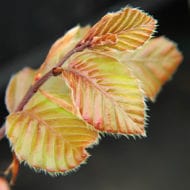








Few Japanese maples have had as profound an influence on modern cultivar development as Acer palmatum ‘Mikawa yatsubusa’. Revered for its naturally dwarf habit, tightly layered foliage, and sculptural form, this cultivar has become a cornerstone in both garden design and bonsai culture. But its acclaim continues to spread as ‘Mikawa yatsubusa’ has also given rise to a fascinating lineage of seedlings and selections – each carrying forward its defining traits while introducing subtle variations that appeal to collectors and landscape designers alike.
In this guide, we’ll explore the lineage of ‘Mikawa yatsubusa’ and the unique characteristics of its derived cultivars, helping you better understand what makes this family of Japanese maples so desirable. `
What Makes ‘Mikawa yatsubusa’ So Special?
Before diving into its offspring, it’s important to understand why ‘Mikawa yatsubusa’ is such a notorious and valued parent.
This cultivar is prized for:
- Extremely short internodes, creating a dense, layered look
- Compact, slow growth, ideal for small gardens and containers
- Naturally sculptural branching, often resembling an aged bonsai with minimal pruning
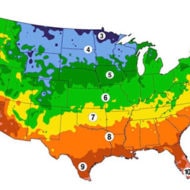
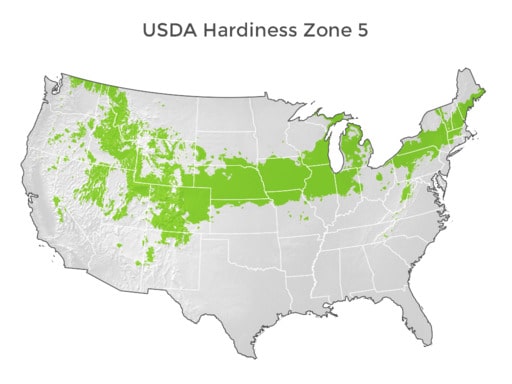
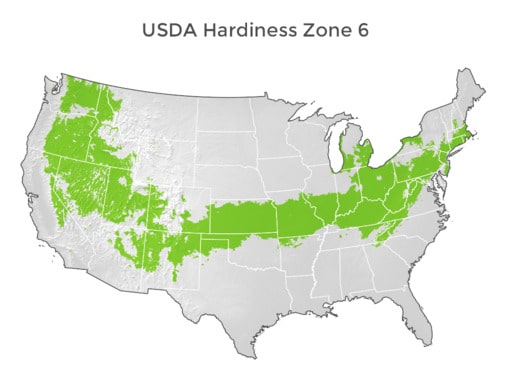
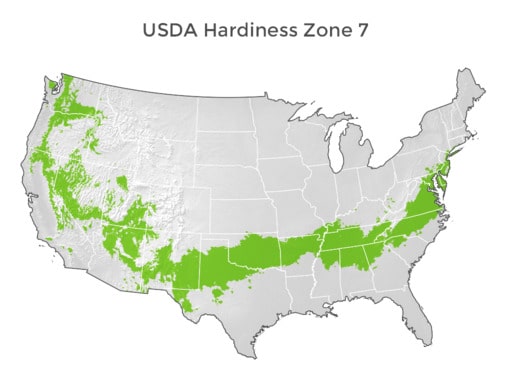
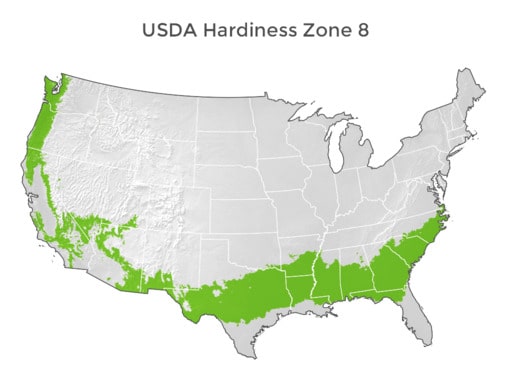
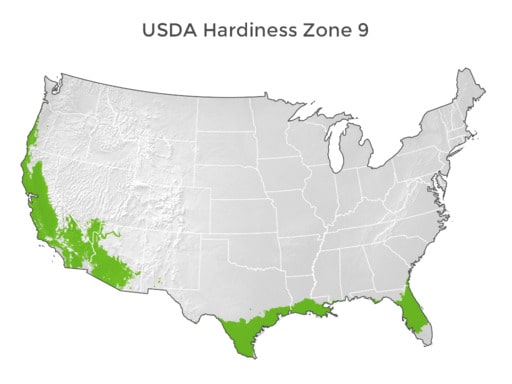
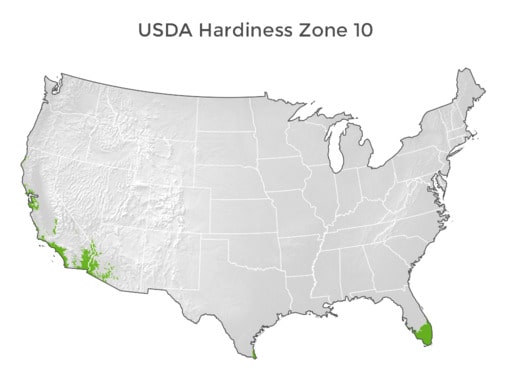
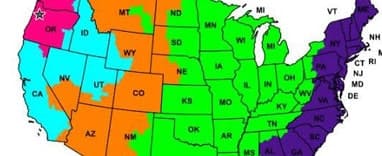
- Excellent adaptability, thriving in zones 5-9 with proper care
Because of these traits, seedlings grown from ‘Mikawa yatsubusa’ often retain a similar architectural form, making them highly sought-after even when grown from seed rather than grafted stock.
The Mikawa Lineage: Seedlings and Selections
Over time, growers have selected and named standout seedlings from ‘Mikawa yatsubusa’, resulting in a diverse but cohesive family of cultivars. Below are some of the most notable members of this lineage.

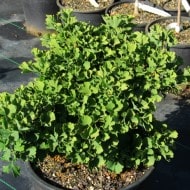
Mikawa Seedlings are simply seedlings sown from seed collected on Acer palmatum ‘Mikawa yatsubusa’. This is why the name is denoted with [brackets] instead of the traditional apostrophes that indicate a named cultivar. They show many of the same characteristics as the parent plant, but, as with most Japanese maples, there is great genetic diversity so each one may end up looking a little bit different than the others! The added benefit of not having a graft junction preserves a natural look, making them especially ideal for bonsai.

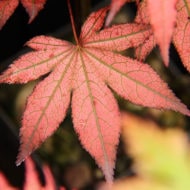
Beni means red in Japanese so as you might have guessed, there are some reddish hues to this slow-growing maple though its color is more on the order of orange and pink than true red.
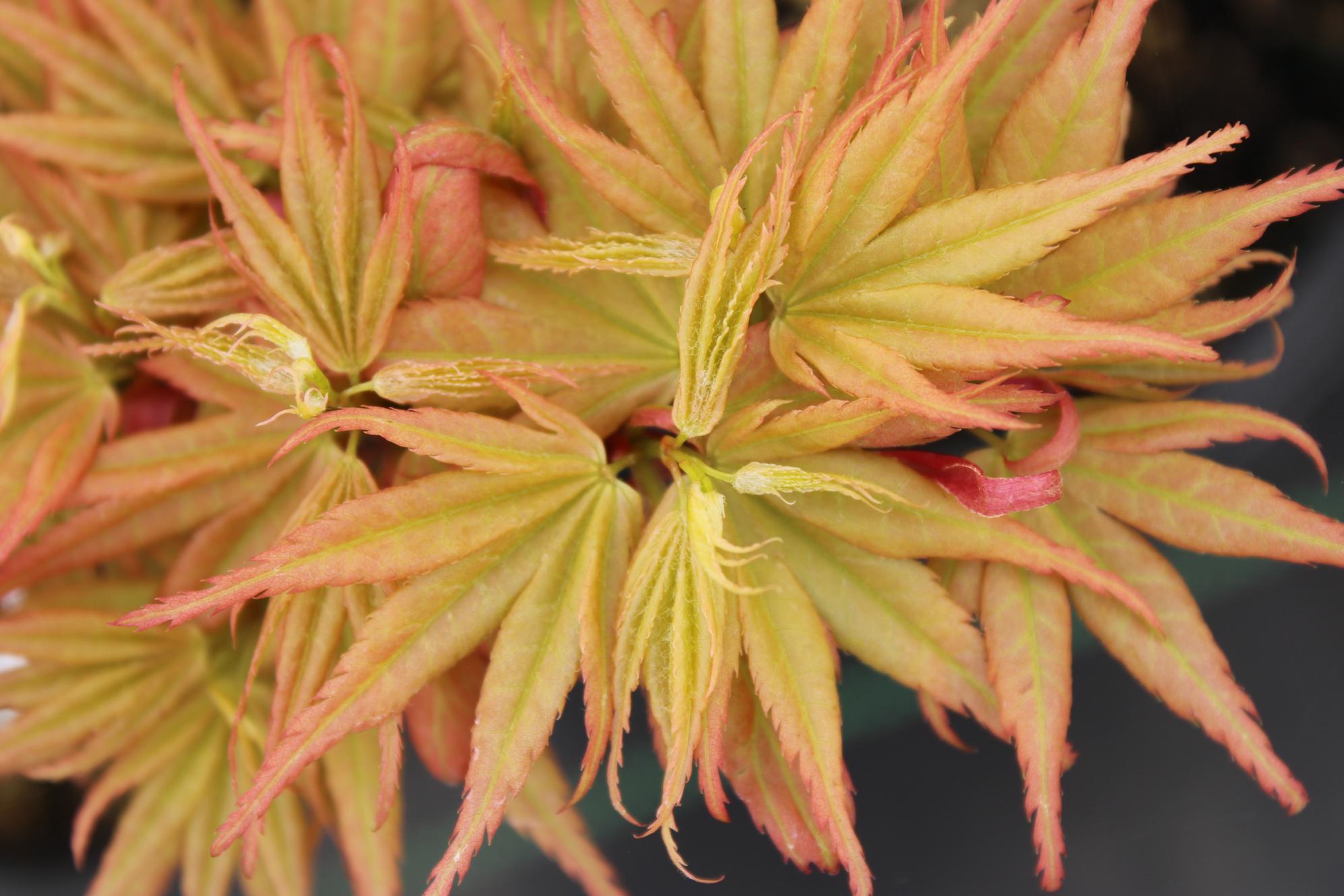
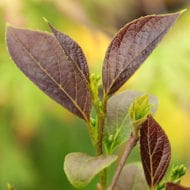
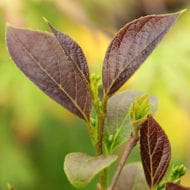
Mystic Mikawa was selected as a seedling by Crispin Silva of Oregon for its stunning pink color in the spring. It’s a bit more delicate than ‘Mikawa yatsubusa’ with finer-textured growth that keeps some pink color throughout much of the growing season and lighter-green leaves also.

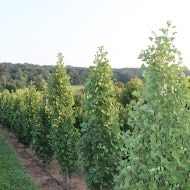
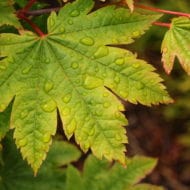
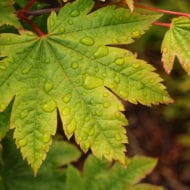
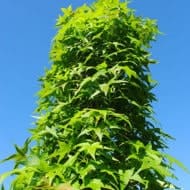
Also selected by Crispin Silva for its narrow, almost columnar habit! This variety was introduced in 2025 with small, densely-stacked dark green leaves. Typically ‘Mikawa yatsubusa’ and the majority of derived cultivars have very wide, almost horizontal branching, but the acute branch angles on this variety make it truly unique while preserving many of the same desirable characteristics of its parent.

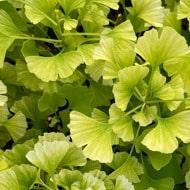
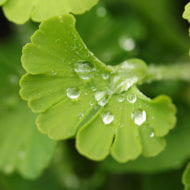
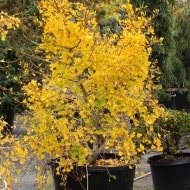
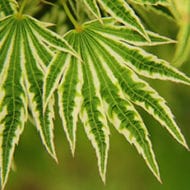
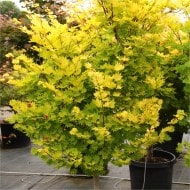
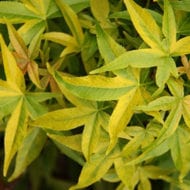
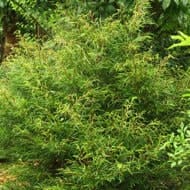
Catalina yatsubusa was introduced by Angel Mendoza of Oregon, selected as a seedling from ‘Mikawa yatsubusa’ also with much thinner leaves with narrow lobes and lighter color than most of the other varieties. There is such a yellow color on the tips and the newer leaves, it’s almost like a subtle variegation!

This cultivar enhances the ornamental appeal with fiery coloration in the fall and a glossy, almost iridescent look to the leaves when they first emerge in spring. The name “kaen” (meaning flame) reflects its vibrant foliage.

Bazinga’s coloration is similar to Mystic Mikawa with a mix of orange, pink, & yellow depending on soil, sun exposure, & humidity. By summer, they look quite similar but Bazinga can be distinguished because Mystic has narrower leaf lobes.
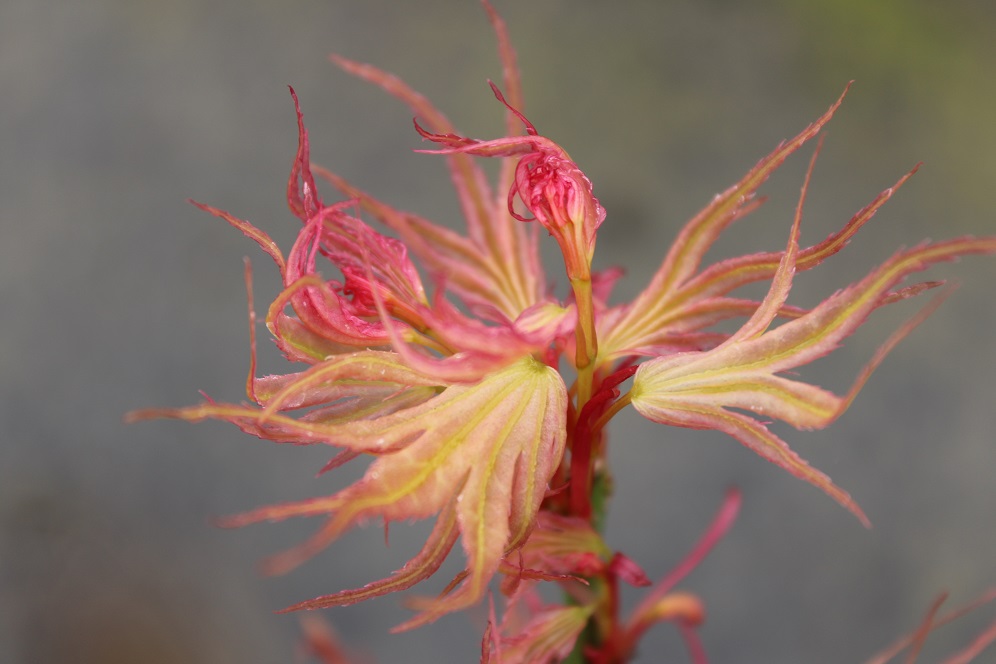
A lesser-known but intriguing selection, ‘Mayday’ continues the theme of dense growth and compact habit with lighter-colored leaves. Mayday tends to be a bit more “pastel” in its coloration, a rather light-colored yellow-orange rather than the pink that characterizes Mystic Mikawa & Bazinga.

One of the most striking and easily-identifiable varieties from this lineage: ‘Japanese Princess’ is valued for its exceptionally tight growth and bright spring color which usually displays as yellow-orange with pink tips that hold through much of the growing season. The leaves are a bit larger and lobes tend to be wider and more serrated than the other cultivars mentioned here.

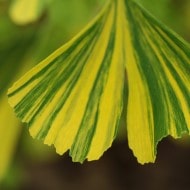
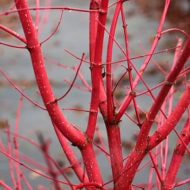
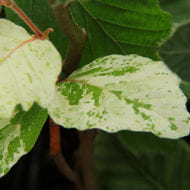
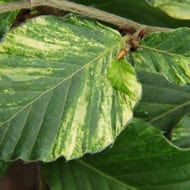
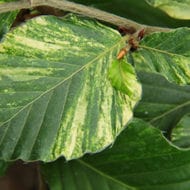
Probably the most difficult Mikawa variety to propagate and grow due to its light-colored foliage, but well worth the effort for its absolutely astounding coloration! Whereas most of the varieties outlined here originated as seedlings, this variety was found as a branch sport on a large ‘Mikawa yatsubusa’ plant showing heavily-variegated white speckled leaves. New growth has a mix of pink and orange colors also with some winter twigs showing pink or orange color too. It’s just a feast for the eyes.
Seedlings vs. Grafted Cultivars: Why It Matters
One of the most interesting aspects of the Mikawa lineage is that many of these varieties originated as seedlings, illustrating the vast genetic diversity possible with Japanese maples.
For collectors and enthusiasts, this variability is part of the appeal – each plant can feel like a unique expression of the Mikawa form.
Final Thoughts
The lineage of Acer palmatum ‘Mikawa yatsubusa’ represents one of the most compelling stories in Japanese maple cultivation. From its humble origins as a compact, densely branched tree, it has given rise to a diverse family of cultivars that continue to captivate gardeners and collectors around the world.
Whether you’re building a bonsai collection, designing a small garden, or simply looking for a standout specimen, exploring the Mikawa lineage offers a rich and rewarding experience – one rooted in both tradition and ongoing discovery.